This Is What Slows Aging for Real — My Long-Term Health Shift
Aging isn’t something we can stop, but how we age is more in our control than we think. For years, I ignored the small signs — low energy, slower recovery, dull skin — until I realized they weren’t just “getting older.” I started digging into long-term health changes that actually work. What I found wasn’t flashy, but it was powerful. This is the real talk on sustainable anti-aging through everyday choices that build up over time. These choices don’t promise overnight miracles, but they do offer something more valuable: a life lived with energy, clarity, and strength well into the later years. The science is clear — biological aging can be influenced by consistent, smart habits.
The Wake-Up Call: Recognizing the Early Signs of Accelerated Aging
Many women in their 30s, 40s, and beyond begin to notice subtle shifts in how they feel. Mornings used to be met with ease, but now there’s a heaviness — a reluctance to get out of bed, even after a full night’s sleep. Simple chores like folding laundry or walking up a flight of stairs leave you feeling winded. You might forget why you walked into a room or struggle to focus during a conversation. These aren’t just quirks of aging. They can be early signals that your body is aging faster than it should.
Chronic fatigue, joint stiffness, brain fog, and slow recovery from minor illnesses are often dismissed as “normal” parts of getting older. But research shows these symptoms are more likely tied to lifestyle factors than to age itself. The body operates like a finely tuned machine. When key systems — such as metabolism, hormone balance, and cellular repair — fall out of alignment, the effects show up in how we feel and function. Think of it like a car that hasn’t been properly maintained. Over time, small issues compound, leading to bigger problems. The same happens inside the body when stress, poor diet, and inactivity go unchecked.
One of the most powerful realizations is that accelerated aging is not inevitable. Biological aging — the actual condition of your cells and systems — can differ significantly from your chronological age. Some people in their 50s have the energy and resilience of someone much younger, while others in their 40s feel worn down. This gap is largely shaped by daily habits. Stress, for example, triggers inflammation and disrupts hormone balance, which can speed up cellular aging. Poor sleep interferes with the body’s nightly repair processes. A diet high in processed foods contributes to oxidative stress, damaging cells over time. These aren’t dramatic events — they’re silent, ongoing processes that wear down the body’s ability to renew itself.
The good news is that recognizing these signs is the first step toward change. It’s not about panic or perfection — it’s about awareness. When you start to see fatigue not as a fact of life but as a signal, you open the door to meaningful action. The goal isn’t to turn back the clock, but to slow down the ticking. And that begins with understanding what true anti-aging really means.
Redefining Anti-Aging: It’s Not About Looking Younger, It’s About Living Better
For too long, anti-aging has been marketed as a quest for smooth skin, fewer wrinkles, or a younger-looking face. But real anti-aging isn’t about appearance — it’s about function. It’s about having the energy to play with your grandchildren, the strength to carry groceries without pain, and the mental clarity to manage your household and passions with confidence. The shift begins when we stop chasing youth and start investing in vitality.
Health span — the number of years you live in good health — is now recognized as more important than lifespan alone. You can live to 90, but if the last 20 years are marked by chronic pain, low energy, and dependence, the quality of life suffers. True anti-aging is about extending your health span, ensuring that your later years are not just longer, but better. This means preserving muscle mass, protecting brain function, supporting heart health, and maintaining emotional resilience.
Consider the story of a woman in her early 50s who began walking daily, eating more whole foods, and prioritizing sleep. Within a year, she found she had more energy than she’d had in decades. She wasn’t trying to look younger — she was simply feeling better. Her joints ached less, her mood improved, and she could keep up with her active family without feeling drained. This kind of transformation isn’t rare. It’s possible for anyone willing to make consistent, sustainable changes.
The key is to view anti-aging as a long-term health strategy, not a short-term fix. It’s not about extreme diets, expensive treatments, or chasing the latest trend. It’s about building habits that support your body’s natural ability to repair, renew, and thrive. When you focus on how you feel — not how you look — the motivation becomes deeper and more lasting. You’re not doing it for a mirror. You’re doing it for your future self, who will thank you for the choices you make today.
The Core Pillars: What Actually Works Over Time
Sustainable anti-aging rests on four foundational pillars: nutrition, movement, recovery, and mindset. These are not quick fixes or isolated tactics. They are interconnected systems that, when supported together, create lasting change. Each pillar plays a unique role in slowing biological aging and supporting long-term health. The beauty is that none require drastic overhauls — small, consistent actions in each area compound into powerful results over time.
Nutrition is the fuel that powers every cell in your body. What you eat directly influences inflammation, hormone balance, and cellular repair. A diet rich in whole, unprocessed foods — vegetables, fruits, legumes, nuts, seeds, and high-quality proteins — provides the nutrients your body needs to function optimally. In contrast, processed foods, refined sugars, and trans fats contribute to oxidative stress, which accelerates aging at the cellular level. The goal isn’t perfection — it’s progress. Eating mostly real food, most of the time, makes a significant difference.
Movement is equally essential. The body is designed to move, and without regular activity, muscle mass declines, joints stiffen, and metabolism slows. Strength training, in particular, is a powerful tool for preserving muscle and bone density, both of which naturally decline with age. But movement doesn’t have to mean intense workouts. Daily walking, stretching, and bodyweight exercises can maintain mobility and cardiovascular health. The key is consistency — moving every day, even if it’s just for 20 minutes.
Recovery is where much of the anti-aging magic happens. During deep sleep, the body repairs tissues, balances hormones, and clears waste from the brain. Chronic sleep deprivation disrupts these processes, increasing the risk of inflammation, weight gain, and cognitive decline. Similarly, managing stress is critical. Chronic stress elevates cortisol, which over time can damage cells and shorten telomeres — the protective caps on the ends of chromosomes that are linked to longevity.
Finally, mindset shapes everything. How you think about aging influences how you experience it. Viewing aging as decline leads to resignation. Viewing it as an opportunity for growth leads to action. A positive, proactive mindset helps you stay committed to healthy habits, even when progress feels slow. It’s not about denying the passage of time — it’s about embracing the power you have to shape how you age.
Eating for Longevity: Small Shifts, Big Impact
You don’t need a perfect diet to slow aging — you need a sustainable one. The goal isn’t to eliminate all treats or follow a rigid plan. It’s about making better choices more often, and letting those choices add up over years. What you eat every day shapes your internal environment, influencing how quickly your cells age and how well your body functions.
One of the most effective strategies is to focus on whole, plant-rich foods. Vegetables, fruits, beans, lentils, nuts, and seeds are packed with antioxidants, fiber, and phytonutrients that protect cells from damage. These foods help reduce chronic inflammation, a key driver of aging and age-related diseases. For example, leafy greens like spinach and kale support detoxification and liver function, while berries are rich in compounds that protect brain cells. Including a variety of colorful plants on your plate ensures a broad spectrum of protective nutrients.
Healthy fats are another cornerstone of longevity. Fats from sources like avocados, olive oil, nuts, and fatty fish support brain health, hormone production, and joint lubrication. Omega-3 fatty acids, found in fish like salmon and sardines, are especially important for reducing inflammation and supporting heart and cognitive health. At the same time, it’s wise to limit processed seed oils and trans fats, which can promote inflammation when consumed in excess.
Protein is essential for maintaining muscle mass, which naturally declines with age. After 40, adults can lose 3–8% of muscle mass per decade, and this accelerates after 60. Eating enough high-quality protein — from sources like eggs, poultry, fish, beans, and Greek yogurt — helps slow this loss. Spreading protein intake throughout the day, rather than consuming it all at once, supports continuous muscle repair.
Simple changes can make a big difference. Cooking at home more often gives you control over ingredients. Drinking water instead of sugary beverages reduces empty calories and blood sugar spikes. Reducing processed snacks and choosing whole foods like fruit with nut butter or veggies with hummus keeps energy stable. These aren’t extreme measures — they’re practical, doable shifts that become second nature over time. And when repeated daily, they create a foundation for long-term health.
Moving Without Burnout: The Role of Consistent Activity
Exercise should support your life, not drain it. For many women, the idea of anti-aging through fitness brings to mind intense workouts, strict routines, or gym memberships they never use. But the truth is, the most effective movement for longevity is simple, consistent, and enjoyable. It’s not about pushing harder — it’s about showing up regularly, in ways that feel good.
Walking is one of the most powerful anti-aging tools available. It’s low-impact, accessible, and supports cardiovascular health, joint mobility, and mental well-being. Just 30 minutes a day can improve circulation, lower blood pressure, and boost mood. Walking after meals helps regulate blood sugar, which is important for preventing insulin resistance — a factor in accelerated aging. Adding variety, like walking on different terrains or increasing pace gradually, keeps it engaging and effective.
Strength training is equally important, yet often overlooked. After 30, muscle mass begins to decline unless it’s actively maintained. Strength training — whether with weights, resistance bands, or bodyweight exercises — signals the body to preserve muscle and build bone density. This not only supports metabolism but also reduces the risk of falls and fractures later in life. Two to three sessions per week, even as short as 20 minutes, can make a significant difference.
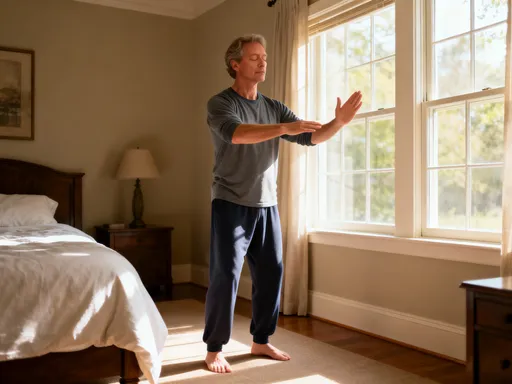
Flexibility and balance exercises, like yoga or tai chi, round out a complete routine. These practices improve posture, reduce stiffness, and enhance coordination. They also support relaxation and stress reduction, linking physical movement to mental well-being. The goal isn’t to master complex poses — it’s to stay mobile, centered, and confident in your body.
The real power lies in consistency. A 20-minute walk most days is more beneficial than an hour-long workout once a week. Small efforts, repeated over time, build resilience and slow the physical signs of aging. The key is to find activities you enjoy and can sustain for years. When movement becomes a natural part of your day — a walk after dinner, stretching in the morning, gardening on the weekend — it stops feeling like a chore and starts feeling like self-care.
Sleep, Stress, and the Hidden Accelerators of Aging
While diet and exercise often take center stage, sleep and stress management are equally critical — and often overlooked — aspects of anti-aging. These are the hidden accelerators. Poor sleep and chronic stress don’t just make you feel tired — they trigger biological changes that speed up aging at the cellular level.
Sleep is when the body performs its most vital repair work. During deep sleep, growth hormone is released, tissues are repaired, and the brain clears out metabolic waste. Chronic sleep deprivation — getting less than 7 hours per night on a regular basis — disrupts these processes. It increases inflammation, impairs insulin sensitivity, and weakens the immune system. Over time, this creates an internal environment that promotes aging and disease.
Stress, especially when it’s constant, has a similar effect. When you’re stressed, your body releases cortisol and adrenaline. In short bursts, these hormones help you respond to challenges. But when stress is ongoing — from work, family demands, or emotional strain — cortisol remains elevated, which can damage cells, increase belly fat, and shorten telomeres. Studies have shown that people with high stress levels have biologically older cells than those who manage stress effectively.
The good news is that both sleep and stress can be improved with intentional habits. Creating a wind-down routine — such as turning off screens an hour before bed, drinking herbal tea, or reading a book — signals to your body that it’s time to rest. Keeping the bedroom cool, dark, and quiet supports deeper sleep. Managing stress might include daily breathing exercises, journaling, or setting boundaries to protect your time and energy.
Mindfulness practices, such as meditation or gentle stretching, can also help regulate the nervous system. These aren’t quick fixes — they’re lifelong tools. When practiced consistently, they reduce the body’s stress response and improve sleep quality. The result is not just feeling more rested, but aging more slowly on a biological level.
Building a Life That Ages Well: Making It Stick
Lasting change doesn’t come from willpower — it comes from design. The most successful people aren’t those who rely on motivation, but those who create environments and routines that make healthy choices the default. Anti-aging isn’t a short-term project. It’s a lifelong commitment to caring for your body and mind in small, meaningful ways.
One effective strategy is habit stacking — linking a new habit to an existing one. For example, if you already drink tea in the morning, use that time to do a few minutes of stretching. If you walk the dog, extend the route by five minutes. These small additions integrate seamlessly into your day, making them easier to maintain. Over time, they become automatic.
Social support also plays a powerful role. Sharing your goals with a friend, joining a walking group, or cooking healthy meals with family creates accountability and enjoyment. When healthy living feels connected and supported, it’s more sustainable. You’re not just changing habits — you’re building a lifestyle that supports long-term well-being.
Tracking progress can be helpful, but it shouldn’t become obsessive. Instead of fixating on numbers, focus on how you feel. Are you sleeping better? Do you have more energy? Can you move with greater ease? These are the real indicators of success. Celebrate small wins — a week of consistent walks, a month of better sleep — and let them fuel your momentum.
Finally, be kind to yourself. There will be days when you’re tired, busy, or off track. That’s normal. The goal isn’t perfection — it’s progress. Anti-aging is not a race. It’s a daily practice of choosing actions that honor your future self. Every healthy meal, every walk, every good night’s sleep is a deposit in the bank of long-term health. And over time, those deposits add up to a life of energy, strength, and vitality — no matter your age.