How I Built a Healthier Me — Slowly, Steadily, and for Good
What if small, daily choices could quietly protect you from illness and boost your energy for years to come? I’m not chasing quick fixes — I’ve learned that real health happens in the long run. This is about building habits that last, optimizing how I feel every day, and staying ahead of problems before they start. It’s personal, practical, and backed by science — not hype. Over time, I’ve discovered that lasting wellness isn’t found in drastic diets or intense workout regimens, but in consistent, manageable actions that add up. The journey wasn’t sparked by a diagnosis, but by a slow realization: I was tired more often than not, lacked the vitality I once had, and felt disconnected from my own body. That quiet discomfort became the foundation for change — not out of fear, but out of care.
The Wake-Up Call That Changed Everything
For years, I believed health was something that only mattered when things went wrong. I thought as long as I wasn’t sick, I was fine. But fine wasn’t enough. I was in my early 40s when I began noticing a pattern: I’d wake up already weary, struggle to focus by mid-afternoon, and rely on coffee or sugary snacks to push through the day. I wasn’t bedridden or diagnosed with anything, but I wasn’t thriving either. That persistent low energy became my wake-up call — not a crisis, but a slow accumulation of imbalance that could no longer be ignored.
It was during a routine check-up that my doctor mentioned my slightly elevated blood pressure and borderline cholesterol levels. She didn’t alarm me, but she did say, 'These numbers aren’t dangerous yet, but they’re a signal.' That word — signal — stuck with me. I realized that waiting for a serious diagnosis to act was like waiting for a fire to start before buying a smoke detector. Disease prevention isn’t about living in fear of illness; it’s about making daily investments in your body’s resilience. Health isn’t passive. It requires attention, intention, and consistency.
Looking back, I saw how short-term solutions had failed me. I’d tried fad diets — cutting out entire food groups, following juice cleanses, or overhauling my life in a weekend only to revert within weeks. These approaches left me frustrated and depleted. I learned that willpower alone isn’t sustainable. Lasting change comes not from drastic overhauls, but from small, repeatable behaviors that become part of your identity. That shift in mindset — from quick fixes to long-term thinking — was the real turning point. I stopped asking, 'How fast can I see results?' and started asking, 'What can I do every day that I’ll still be doing a year from now?'
Rebuilding My Daily Routine — One Habit at a Time
I began with the simplest idea: consistency over intensity. Instead of aiming for an hour at the gym or a perfect diet, I focused on doing a little bit, every day. My first habit was a 10-minute walk after dinner. It didn’t feel like much, but it was something I could do no matter how busy or tired I was. That small act became a keystone habit — it improved my digestion, helped me unwind, and gradually increased my stamina. Within a few weeks, I started adding five more minutes. Then I began walking in the mornings, too. The goal wasn’t to burn calories; it was to move my body regularly and reconnect with its rhythm.
At the same time, I turned my attention to sleep. I used to stay up late scrolling through my phone, telling myself I was 'relaxing,' but I’d wake up groggy and irritable. I started setting a bedtime alarm — not a wake-up call, but a reminder to begin winding down. I replaced screen time with reading or light stretching, and I made my bedroom a screen-free zone. These changes didn’t transform my sleep overnight, but over time, I noticed I fell asleep faster and woke up feeling more refreshed. Sleep became less of a luxury and more of a non-negotiable part of my health routine.
What surprised me most was how these tiny changes created ripple effects. Better sleep made me less hungry for sweets. More movement gave me more energy, which made me want to cook at home instead of ordering takeout. I stopped tracking progress by the number on the scale and started paying attention to how I felt — my energy levels, my mood, my ability to handle daily tasks without exhaustion. This shift in focus was freeing. I wasn’t chasing a number; I was building a life where feeling good was the goal. Progress wasn’t always linear, but consistency kept me moving forward.
Eating for Longevity, Not Just Weight
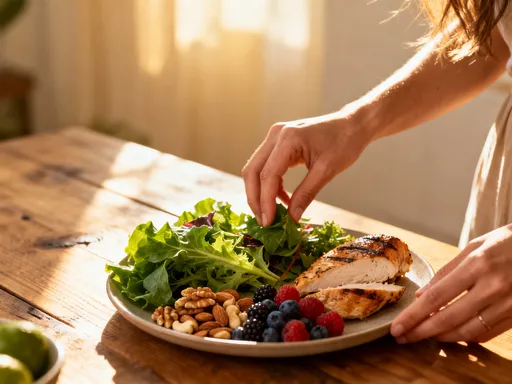
My relationship with food used to be defined by restriction. I’d cycle through diets that promised rapid weight loss, only to regain the pounds when I returned to 'normal' eating. I finally realized that true health isn’t about shrinking your body — it’s about nourishing it. I shifted from asking, 'Can I eat this?' to 'Will this fuel me?' That small change in perspective transformed my meals. Instead of focusing on what to cut out, I began adding in more whole foods — vegetables, fruits, legumes, whole grains, and lean proteins. I didn’t eliminate anything completely, but I made nutrient-dense choices the foundation of my plate.
One of the most important lessons I learned was about inflammation and gut health. Chronic, low-grade inflammation is linked to a range of long-term health issues, including heart disease, diabetes, and certain cancers. Research shows that diet plays a major role in modulating inflammation. Foods like processed meats, refined sugars, and trans fats can promote inflammation, while colorful vegetables, healthy fats like olive oil and avocado, and fiber-rich foods help reduce it. I began prioritizing anti-inflammatory ingredients without overhauling my kitchen. A handful of berries in my morning oatmeal, extra vegetables in my stir-fries, and swapping butter for olive oil were simple swaps that made a difference.
Gut health also became a priority. The gut microbiome — the trillions of bacteria in our digestive system — influences everything from immunity to mood. I started including more fiber, which feeds beneficial gut bacteria, and fermented foods like yogurt and sauerkraut, which introduce helpful probiotics. I didn’t turn into a health food fanatic; I just made gradual shifts. My meals now follow a simple pattern: half the plate filled with vegetables, a quarter with lean protein, and a quarter with whole grains or starchy vegetables. I still enjoy treats — a piece of dark chocolate, a slice of cake at a birthday — but they’re no longer the center of my eating habits. It’s not about perfection; it’s about progress, one meal at a time.
Why Movement Is More Than Exercise
I used to think of exercise as something you do for 30 minutes, three times a week — a checkbox on a to-do list. But I’ve come to see movement as a daily necessity, like breathing or sleeping. Our bodies were built to move, yet modern life keeps us sitting for hours — at desks, in cars, on couches. This sedentary lifestyle is a major risk factor for chronic disease. I decided to redefine fitness not as intense workouts, but as consistent, varied movement throughout the day. I aim for at least 7,000 steps daily, not because it’s a magic number, but because it keeps me out of the danger zone of inactivity.
Strength training was another revelation. I once believed it was only for athletes or people trying to 'bulk up.' But science shows that muscle mass is a key predictor of long-term health. Muscle isn’t just for strength — it’s metabolic armor. It helps regulate blood sugar, supports joint health, and boosts metabolism. As we age, we naturally lose muscle — a process called sarcopenia — which can lead to weakness, frailty, and increased fall risk. To combat this, I started doing simple bodyweight exercises at home: squats, lunges, push-ups against the wall, and planks. I began with two days a week, just 15 minutes at a time. Over time, I added resistance bands and light dumbbells. I don’t lift heavy weights, but I challenge my muscles regularly, and that’s what matters.
My routine is simple and sustainable. On most days, I take a walk — sometimes brisk, sometimes slow. Twice a week, I do a short strength session. I also make an effort to stand up and stretch every hour when I’m working. These habits don’t require a gym, special equipment, or hours of time. They fit into real life. The result? I feel stronger, more stable, and less prone to aches and injuries. Movement has become less of a chore and more of a celebration of what my body can do. It’s not about looking a certain way — it’s about feeling capable and resilient every day.
Sleep and Stress — The Silent Game-Changers
If movement and nutrition are the pillars of health, sleep and stress management are the foundation. I used to underestimate their impact, thinking that as long as I was active and eating well, I could survive on five or six hours of sleep. But poor sleep doesn’t just make you tired — it affects your hormones, weakens your immune system, and increases your risk for chronic conditions like hypertension and type 2 diabetes. Studies show that adults who consistently get less than seven hours of sleep are more likely to experience inflammation, weight gain, and mood disorders. I realized I couldn’t optimize my health without addressing this critical piece.
Improving my sleep meant creating a routine. I set a consistent bedtime and wake-up time, even on weekends. I avoided caffeine after 2 p.m. and limited alcohol, which may help you fall asleep but disrupts deep sleep cycles. I also reduced screen exposure in the evening, since blue light suppresses melatonin, the hormone that regulates sleep. Instead of watching TV in bed, I began reading a book or listening to calming music. These changes didn’t work immediately, but within a few weeks, I noticed a difference. I fell asleep faster, stayed asleep longer, and woke up feeling more alert.
Stress was another silent factor. I didn’t think of myself as particularly stressed, but I was constantly 'on' — juggling work, family, and household responsibilities. Chronic stress keeps the body in a state of fight-or-flight, flooding it with cortisol, the stress hormone. Over time, high cortisol levels can lead to weight gain, especially around the abdomen, impaired immunity, and disrupted sleep. I began practicing breathwork — simple techniques like inhaling for four counts, holding for four, and exhaling for six. Just five minutes a day helped calm my nervous system. I also set boundaries — saying no when I was overwhelmed, scheduling downtime, and protecting my personal time. These practices didn’t eliminate stress, but they helped me manage it without burning out.
Monitoring and Adapting — My Personal Health Dashboard
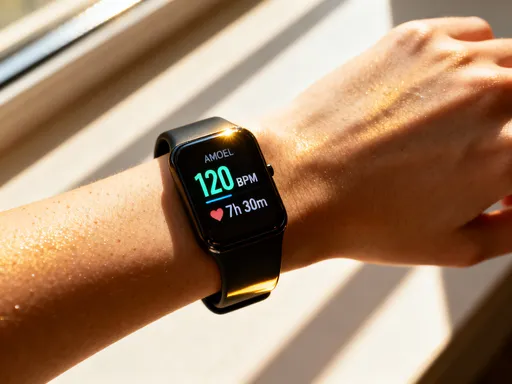
One of the most empowering shifts in my journey was learning to listen to my body. I used to wait for a doctor’s visit to assess my health, but I now see myself as the primary steward of my well-being. I still go for annual check-ups and blood work — these are essential tools for catching potential issues early. My blood pressure, cholesterol, blood sugar, and vitamin D levels give me objective data. But I also pay attention to subjective signals: how I feel when I wake up, my energy levels throughout the day, my digestion, and my mood. These are early warning signs that something might be off.
I’ve learned to recognize patterns. For example, if I’ve been skipping walks or eating more processed foods, I notice I feel sluggish and my sleep suffers. If I’m under extra stress, I might feel more irritable or have trouble concentrating. Instead of ignoring these cues, I use them as feedback. I don’t panic — I adjust. Maybe I add an extra walk, cook a nourishing meal, or take a few extra minutes to breathe deeply. This approach turns health into an ongoing conversation with myself, not a series of isolated actions.
I also value professional guidance. I consult my doctor when I have concerns, and I don’t hesitate to ask questions about my lab results or symptoms. But I’ve learned that doctors can’t live my life for me. They provide expertise, but I make the daily choices — what I eat, how I move, how I rest. I see my relationship with my healthcare provider as a partnership. I come to appointments informed, with questions and observations, and together we make decisions based on both science and my personal experience. This balance — using data and self-awareness — keeps me proactive rather than reactive.
The Bigger Picture — Health as a Lifelong Practice
Over time, my view of health has evolved. It’s no longer something I do to lose weight or prevent disease — it’s a way of living. I don’t see it as a goal to reach, but as a practice to maintain, like tending a garden. Some days are better than others. I don’t always make the 'perfect' choice, and that’s okay. What matters is that I keep showing up. The habits I’ve built aren’t about discipline in the rigid sense — they’re about care. Each walk, each nourishing meal, each night of good sleep is a small act of kindness toward my future self.
What’s remarkable is how these choices have become effortless over time. I don’t dread my morning walk — I look forward to it. I enjoy cooking with fresh ingredients. I feel the difference when I prioritize rest. These habits aren’t sacrifices; they’re gifts. And because they’re sustainable, they’ve lasted. I’m not chasing a version of health that’s unattainable or extreme. I’m building one that’s real, accessible, and lasting.
True health optimization isn’t about extreme measures — it’s the slow, steady accumulation of smart, simple choices. By focusing on long-term prevention, I’ve built resilience, energy, and peace of mind. This journey isn’t about perfection; it’s about showing up, listening to your body, and making choices today that protect your future. And that’s worth every small effort.