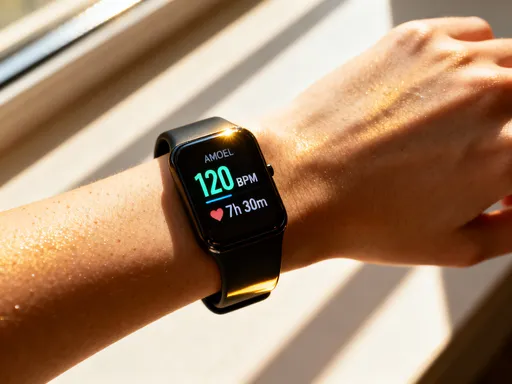
How I Upgraded My Daily Life to Prevent Illness—And You Can Too
We all want to stay healthy, but real disease prevention starts long before symptoms appear. It’s not about quick fixes—it’s about consistent, smart lifestyle choices. After years of feeling run-down and catching every cold, I made changes that actually worked. This is a no-nonsense look at how small, science-backed shifts in daily habits can strengthen your body’s defenses and improve overall well-being—naturally and sustainably. The journey wasn’t about dramatic overhauls, but about building a life that supports health from the inside out. And the best part? These changes are within reach for anyone willing to start.
The Wake-Up Call: Recognizing the Need for Change
For years, I thought I was doing fine. I wasn’t diagnosed with any serious conditions, I went to work, took care of my family, and kept up with daily responsibilities. But underneath the surface, I was constantly tired. I’d catch every cold that went around the office, take weeks to recover, and feel sluggish even after a full night’s sleep. Headaches were common, digestion was unreliable, and my energy would crash by mid-afternoon. I chalked it up to being busy—after all, wasn’t that just part of adult life?
The turning point came during a routine check-up. My doctor said my lab results were “within normal range,” but I didn’t feel normal. I wasn’t sick enough to be treated, yet not well enough to thrive. That’s when I realized: absence of diagnosis doesn’t equal true health. Wellness isn’t just the absence of illness—it’s the presence of energy, resilience, and balance. I began to understand that waiting until something goes wrong before taking action was a flawed approach. If I wanted to feel better, I needed to shift from reacting to problems to preventing them before they started.
This mindset change was powerful. Instead of focusing on symptoms, I started asking deeper questions: What was weakening my immune system? Why was my body struggling to recover? What daily habits might be silently undermining my health? I began researching preventive health, not as a medical emergency, but as a long-term investment. I learned that many chronic conditions—like type 2 diabetes, heart disease, and autoimmune disorders—develop over years, often with subtle warning signs that go unnoticed. The good news? A significant portion of these conditions are preventable through lifestyle choices. That knowledge gave me hope and motivation to make real, lasting changes.
Understanding Disease Prevention: Beyond Just Avoiding Germs
When most people think of disease prevention, they picture washing hands, getting vaccines, or avoiding sick coworkers. While these are important, true prevention goes much deeper. It’s about creating an internal environment where your body can resist illness, repair damage, and function optimally. Think of your body like a garden: if the soil is rich, the plants grow strong and resist pests. But if the soil is depleted, even minor threats can cause big problems. In the same way, your body’s resilience depends on the foundation you build every day through diet, movement, sleep, and stress management.
One of the most critical concepts in preventive health is chronic inflammation. Unlike acute inflammation—which is a short-term response to injury or infection—chronic inflammation lingers in the body and contributes to a wide range of diseases, including heart disease, arthritis, and even some cancers. It’s often caused by poor diet, lack of physical activity, chronic stress, and poor sleep. The scary part? You can have chronic inflammation without obvious symptoms. It’s a silent process that slowly damages tissues and weakens your defenses over time.
Another key factor is metabolic health—your body’s ability to regulate blood sugar, manage insulin, and maintain energy balance. Poor metabolic health is linked to obesity, type 2 diabetes, and fatty liver disease, but it also affects your immune system and brain function. Modern life, with its constant access to processed foods, sedentary routines, and digital overload, often works against these systems. We’re living longer, but not necessarily healthier. The good news is that small, consistent changes can shift the balance in your favor. You don’t need to be perfect—just persistent.
Food as Foundation: Eating to Support Immunity and Balance
I used to think eating healthy meant strict diets, calorie counting, and giving up all my favorite foods. That mindset set me up for failure. What finally worked was shifting my focus from restriction to nourishment. I began to see food not as the enemy, but as medicine—a daily opportunity to support my body’s natural defenses. The first step was cutting back on processed foods: packaged snacks, sugary drinks, and refined carbohydrates. These foods spike blood sugar, feed harmful gut bacteria, and promote inflammation. I didn’t eliminate them overnight, but I made a commitment to reduce them gradually.
Instead, I filled my plate with whole, nutrient-dense foods. Vegetables became the centerpiece of my meals, especially leafy greens, cruciferous vegetables like broccoli and cauliflower, and colorful peppers and carrots. These are rich in antioxidants, vitamins, and fiber—nutrients that support immune function and gut health. I added healthy fats like avocado, olive oil, nuts, and seeds, which help reduce inflammation and keep me full longer. I included high-quality protein at every meal—eggs, fish, beans, and lean poultry—to support muscle repair and immune cell production.
One of the most impactful changes was stabilizing my blood sugar. I noticed that when I ate a carb-heavy breakfast like toast or cereal, I’d crash by 10 a.m. Now, I start my day with protein and healthy fats—like scrambled eggs with spinach and avocado. This keeps my energy steady and reduces cravings. I also make sure to include fiber in every meal, which slows digestion and prevents blood sugar spikes. Over time, these choices became habits, not chores. I didn’t follow a trendy diet—I simply built a way of eating that felt good and worked for my life.
Moving More: Why Consistency Beats Intensity
I’ll admit it: I never liked the gym. The idea of intense workouts, heavy weights, and complicated routines felt overwhelming and unsustainable. I thought exercise had to be hard to be effective. But research shows that consistency matters more than intensity when it comes to long-term health. Daily movement—like walking, stretching, or light strength training—improves circulation, supports immune function, boosts mood, and helps regulate metabolism. The key is finding activities you enjoy and can stick with over time.
I started with walking. At first, it was just 10 minutes around the block after dinner. Gradually, I increased to 30 minutes most days. Walking became my time to clear my head, listen to music, or call a friend. It didn’t feel like exercise—it felt like self-care. I also began doing simple bodyweight exercises at home: squats, lunges, and wall push-ups. These took only 10–15 minutes and helped me build strength without pressure. On weekends, I’d try yoga or a gentle swim. The goal wasn’t to burn calories—it was to move my body regularly and keep it strong and flexible.
One of the biggest benefits I noticed was improved energy. Instead of feeling drained after sitting all day, I felt more alert and capable. Movement also helped me sleep better and manage stress. I learned that even small bursts of activity count—taking the stairs, parking farther away, or standing while talking on the phone. These micro-movements add up and make a real difference. The message is clear: you don’t need to train for a marathon to be healthy. You just need to move your body, every day, in ways that feel good.
Sleep and Stress: The Hidden Drivers of Health
Sleep used to be the first thing I sacrificed. I’d stay up late to finish chores, scroll through my phone, or watch one more episode. But poor sleep doesn’t just make you tired—it weakens your immune system, increases inflammation, and disrupts hormone balance. Studies show that people who sleep less than six hours a night are more likely to catch colds and take longer to recover. Chronic sleep deprivation is also linked to higher risks of heart disease, diabetes, and depression. I realized that if I wanted to be healthy, I had to make sleep a non-negotiable part of my routine.
I started by creating a wind-down ritual. One hour before bed, I turned off screens and dimmed the lights. I’d brew a cup of herbal tea—chamomile or magnesium-rich passionflower—and spend a few minutes journaling or reading a book. I also made my bedroom a sleep sanctuary: cool, dark, and quiet. I invested in blackout curtains and a white noise machine. These small changes made a big difference in how quickly I fell asleep and how rested I felt in the morning.
Stress was another silent health thief. I didn’t think of myself as stressed, but my body told a different story—tight shoulders, shallow breathing, and constant mental chatter. I began practicing mindfulness, not as a spiritual practice, but as a tool to reset my nervous system. I started with just five minutes a day of focused breathing: inhaling slowly through the nose, holding for a moment, and exhaling fully. This simple act calmed my mind and lowered my heart rate. Over time, I added short walks in nature, which research shows can reduce cortisol levels and improve mood. I also learned to set boundaries—saying no to extra commitments and protecting my time for rest. These weren’t dramatic fixes, but they created space for healing.
Environment and Habits: Small Changes with Big Impact
Health isn’t just about what you eat or how much you move—it’s also about the environment you live in. I began to notice how many everyday products contain chemicals that can disrupt hormones, irritate the skin, or burden the liver. I started replacing conventional cleaning supplies with natural alternatives—vinegar, baking soda, and castile soap. I switched to fragrance-free laundry detergent and personal care products with simple ingredient lists. These changes reduced my exposure to toxins and improved my skin and breathing.
Hydration became another quiet priority. I used to go hours without drinking water, relying on coffee or diet soda. But water is essential for digestion, circulation, and detoxification. I started carrying a reusable water bottle and set reminders to drink throughout the day. I also paid attention to my breathing—something most of us take for granted. I began practicing deep, diaphragmatic breathing, especially during stressful moments. This simple habit helped me stay calm and improved my energy.
Another powerful shift was embracing routine. I used to live from one urgent task to the next, with no rhythm or predictability. But the body thrives on consistency. I set regular times for meals, sleep, and movement. This didn’t make life rigid—it made it more stable and less chaotic. I also made a point to get morning sunlight, which helps regulate circadian rhythm and boosts vitamin D. These small habits didn’t require willpower—they became natural parts of my day, like brushing my teeth. Over time, they created a foundation of resilience that protected me from illness and burnout.
Putting It All Together: Building a Sustainable Prevention Lifestyle
When I first started, I tried to change everything at once—new diet, new exercise plan, new sleep routine. Predictably, I burned out. What worked instead was taking a step-by-step approach. I picked one habit at a time, mastered it, and then moved on. For example, I started with hydration, then added daily walking, then improved my sleep routine. Each success built confidence and made the next change easier. I learned that small, consistent actions compound over time, leading to real transformation.
I also began tracking subtle improvements. I didn’t wait for dramatic weight loss or a lab test to feel better. Instead, I noticed that I had more energy by mid-morning, that I wasn’t reaching for snacks, that I could climb stairs without getting winded. I took fewer sick days and recovered faster when I did get a cold. These small wins kept me motivated. I also accepted that progress isn’t linear—there were days I slipped up, and that was okay. Health isn’t about perfection; it’s about direction.
Today, these habits are simply part of who I am. I don’t think of them as chores or sacrifices—they’re acts of self-respect. I’ve learned that health is not a destination, but a daily practice. It’s about showing up for yourself, making thoughtful choices, and building a life that supports long-term well-being. I still see my doctor for check-ups, but I’m no longer waiting for problems to arise. I’m actively creating the conditions for health every single day.
True disease prevention isn’t about fear or drastic measures. It’s about making small, science-backed choices that add up over time. You don’t need to overhaul your life overnight. Start with one change—drink more water, walk for 10 minutes, go to bed 15 minutes earlier. Build from there. Your body is designed to heal and protect itself when given the right support. By upgrading your daily habits, you’re not just avoiding illness—you’re creating a stronger, more vibrant version of yourself. This journey is personal, and it’s never too late to begin. Always consult a healthcare professional before making major health changes—your well-being is worth the care and guidance it deserves.