How I Learned to Live Well with High Blood Pressure — A Real Guide
Living with high blood pressure doesn’t mean giving up a full, active life. For years, I ignored the signs—until a routine checkup changed everything. Now, I’ve learned how small, daily choices can make a big difference in how I feel. This isn’t about drastic fixes or magic cures. It’s about practical steps that actually work. I’m sharing what helped me gain control, not just over my numbers, but over my quality of life. What started as a quiet warning from my doctor became a turning point—a chance to rebuild habits, rethink routines, and reclaim energy. This is not a story of overnight transformation, but of steady, sustainable change grounded in science, self-awareness, and real-life experience.
The Wake-Up Call: Recognizing the Hidden Threat
Many people first learn they have high blood pressure during a regular visit to the doctor, not in an emergency room. There was no chest pain, no sudden dizziness—just a number on a screen that didn’t match the way I felt. My blood pressure reading was consistently above 140 over 90, placing me in the category of stage 1 hypertension. The doctor explained that even without symptoms, this condition was quietly straining my heart and blood vessels. It wasn’t a crisis yet, but it was a warning. I had assumed that as long as I could keep up with daily tasks, I must be healthy. That assumption, I later learned, is one of the most common and dangerous misconceptions about high blood pressure.
High blood pressure, also known as hypertension, means the force of blood pushing against the walls of the arteries is consistently too high. Over time, this increased pressure damages the delicate lining of the blood vessels, making them less flexible and more prone to buildup of plaque. The heart, working harder to pump blood through stiffened arteries, gradually weakens. What many fail to realize is that hypertension rarely announces itself with obvious signs. Fatigue, occasional headaches, or mild dizziness might be brushed off as stress or aging. Yet, these subtle signals can be early indicators of a deeper issue. Left unmanaged, high blood pressure significantly raises the risk of heart disease, stroke, kidney damage, and cognitive decline.
What struck me most after my diagnosis was the realization that managing blood pressure isn’t only about avoiding serious illness—it’s about preserving how well you live each day. It’s about having the energy to play with grandchildren, the clarity to manage household tasks, and the stamina to enjoy walks in the park. High blood pressure doesn’t just threaten longevity; it can quietly erode quality of life long before a medical emergency occurs. Recognizing this shifted my perspective. I no longer saw my diagnosis as a life sentence, but as an invitation to take better care of myself. The goal wasn’t just to lower a number—it was to feel better, think clearer, and move more freely through each day.
Why Blood Pressure Matters Beyond the Numbers
Blood pressure is often discussed in clinical terms—millimeters of mercury, systolic and diastolic values—but its real impact is deeply personal. When it remains elevated over time, it doesn’t just affect the heart; it influences nearly every system in the body. Many people don’t connect their persistent fatigue or difficulty concentrating to their blood pressure, but the link is well established. The brain relies on a steady, healthy flow of oxygen-rich blood, and when vessels are narrowed or damaged, cognitive function can suffer. This may show up as brain fog, forgetfulness, or trouble focusing—symptoms easily mistaken for stress or aging.
Similarly, uncontrolled hypertension can subtly reduce physical stamina. Simple activities like climbing stairs, carrying groceries, or walking through a store may begin to feel more taxing. This isn’t just due to aging—it’s often the result of a cardiovascular system working inefficiently. The heart, forced to pump against higher resistance, becomes less effective over time. Muscles receive less oxygen, leading to quicker fatigue. Sleep may also be affected, as high blood pressure can disrupt normal circulatory rhythms and contribute to restless nights. Poor sleep, in turn, can worsen blood pressure, creating a cycle that’s hard to break without intervention.
To understand this better, consider the body’s circulatory system like a network of pipes carrying water under pressure. When the pressure is too high for too long, the pipes weaken, develop leaks, or become clogged. The heart, like a pump, must work harder to maintain flow, eventually wearing down. Another useful analogy is comparing the heart to a muscle that’s constantly overworked. Just as lifting heavy weights daily without rest leads to strain, the heart under chronic high pressure can become enlarged and less efficient—a condition known as left ventricular hypertrophy. These changes happen gradually, often without dramatic symptoms, which is why hypertension is called the “silent killer.”
Yet, the good news is that the body responds remarkably well to positive changes. Lowering blood pressure isn’t just about reducing risk—it’s about restoring balance and vitality. When pressure is brought under control, many people report improved energy, better sleep, and a greater sense of well-being. The benefits go beyond preventing disease; they enhance daily life. The goal of managing hypertension should not be fear-driven, but forward-looking—a commitment to living with strength, clarity, and independence as we age. It’s not merely about adding years to life, but life to years.
Building a Daily Routine That Works—Without Overwhelm
One of the most empowering lessons I learned was that managing high blood pressure doesn’t require extreme measures. It’s not about perfection or drastic overhauls, but about consistency and small, sustainable changes. The key is to build a daily routine that supports your body without adding stress. Our bodies thrive on rhythm—regular sleep, consistent mealtimes, and predictable movement help regulate internal systems, including blood pressure. When life feels chaotic, even minor routines can create a sense of stability that benefits both mind and body.
Sleep, for example, plays a crucial role in cardiovascular health. Going to bed and waking up at roughly the same time each day helps regulate the body’s internal clock, which influences hormone levels and blood pressure patterns. Aiming for seven to eight hours of quality sleep can have a measurable impact. Hydration is another simple but powerful factor. Drinking enough water throughout the day supports blood volume and circulation, while dehydration can cause the body to retain sodium and increase pressure. Many people overlook how much processed foods contribute to fluid imbalance—these items are often high in sodium and low in potassium, a combination that disrupts the body’s natural fluid regulation.
Reducing processed foods doesn’t mean eliminating convenience entirely. It means making mindful choices—opting for frozen vegetables without added salt, choosing plain oats over flavored instant packets, or preparing simple meals in advance. Small substitutions add up. Instead of reaching for chips or salty crackers, keeping fresh fruit, unsalted nuts, or raw vegetables on hand makes healthier snacking easier. The goal isn’t to follow a rigid diet, but to gradually shift toward foods that nourish the body. Over time, taste buds adapt, and the sharpness of excess salt becomes less appealing.
Of course, obstacles are part of any journey. Time constraints, family demands, and emotional stress can all derail good intentions. Rather than aiming for flawlessness, I learned to focus on progress. If one day was less structured, I didn’t view it as failure—just a chance to reset the next day. The most effective routines are those that fit into real life, not an idealized version of it. Building habits slowly—starting with one change at a time—makes them more likely to last. Whether it’s drinking a glass of water first thing in the morning or taking a five-minute stretch after sitting for hours, these small actions create momentum. Over time, they become second nature, forming a foundation of health that supports blood pressure control without constant effort.
Moving More: Exercise That Fits Your Life, Not a Gym Obsession
Physical activity is one of the most effective tools for managing blood pressure, yet many people associate it with intense workouts or gym memberships they never use. The truth is, movement doesn’t have to be strenuous to be beneficial. Regular, moderate activity helps blood vessels stay flexible, improves circulation, and allows the heart to pump more efficiently. Over time, this reduces the workload on the cardiovascular system and leads to lower resting blood pressure. The best part? You don’t need special equipment or hours of time—just a willingness to incorporate more motion into your day.
Walking is one of the simplest and most accessible forms of exercise. A daily 20- to 30-minute walk, whether around the neighborhood, in a mall, or on a treadmill, can make a noticeable difference. The rhythm of walking not only benefits the heart but also calms the mind, reducing stress hormones that can elevate blood pressure. Gardening, house cleaning, and climbing stairs are also excellent ways to stay active. These activities may not feel like “exercise,” but they contribute to overall movement goals and help maintain muscle strength and joint flexibility.
The key is consistency, not intensity. Studies show that people who engage in regular, moderate activity experience greater long-term benefits than those who exercise intensely but inconsistently. It’s better to walk five days a week for 20 minutes than to push hard once and then skip days due to soreness or fatigue. Finding ways to weave movement into daily life makes it sustainable. For example, parking farther from store entrances, taking walking breaks during phone calls, or doing gentle stretches while watching television can all add up. Even standing more throughout the day—rather than sitting for long stretches—can support healthy circulation.
For those with physical limitations or health concerns, low-impact activities like chair exercises, water aerobics, or tai chi offer safe alternatives. These forms of movement improve balance, reduce stiffness, and promote relaxation—all of which support cardiovascular health. The goal is not to achieve a certain fitness level, but to keep the body moving in ways that feel comfortable and enjoyable. When exercise is framed as self-care rather than obligation, it becomes easier to maintain. Over time, many people find that regular movement boosts energy, improves mood, and enhances sleep—all of which indirectly support blood pressure control. Movement, in any form, is a gift to your heart and your overall well-being.
Eating to Support Your Body: Simple Changes, Real Results
Diet plays a central role in blood pressure management, but it doesn’t require complicated meal plans or expensive specialty foods. The focus should be on whole, minimally processed foods that provide the nutrients the body needs to function optimally. Two minerals in particular—sodium and potassium—have a direct influence on blood pressure. Sodium, found in high amounts in processed and packaged foods, causes the body to retain fluid, increasing blood volume and pressure. Potassium, abundant in fruits, vegetables, and legumes, helps balance sodium levels and relaxes blood vessel walls.
One of the most effective changes I made was shifting from packaged meals to more fresh ingredients. Instead of frozen dinners or canned soups, I began preparing simple meals with lean proteins, whole grains, and plenty of vegetables. Flavoring food with herbs, spices, lemon juice, or vinegar instead of salt made a surprising difference—not just in taste, but in how I felt. Within weeks, I noticed less bloating and more stable energy levels. Reading food labels became a habit, helping me identify hidden sources of sodium in items like bread, cheese, and salad dressings. Many people are shocked to learn how much salt is in everyday foods they consider healthy.
Another helpful strategy was planning ahead. Preparing meals or ingredients in advance reduced the temptation to reach for convenience foods when tired or pressed for time. Batch-cooking soups, stews, or grain bowls on weekends made weekday dinners easier and healthier. Snacks were reimagined—instead of salty crackers or chips, I kept cut vegetables, fruit, or yogurt on hand. These small shifts didn’t feel restrictive; instead, they felt like acts of care. Eating well became less about rules and more about honoring my body’s needs.
The benefits of better eating extend beyond blood pressure numbers. Many people report improved digestion, clearer skin, and better mental focus when they reduce processed foods and increase whole foods. These positive changes reinforce healthy habits, making them easier to maintain. It’s not about eliminating favorite foods entirely, but about balance and moderation. Occasional treats are part of a joyful life—what matters most is the overall pattern. When your daily choices consistently support your health, occasional indulgences don’t undo progress. Eating well is not a punishment; it’s a way of nurturing yourself from the inside out.
Stress, Sleep, and the Mind-Body Connection
Chronic stress and poor sleep are silent contributors to high blood pressure, often overlooked in favor of diet and exercise. Yet, the way we manage stress and rest has a direct impact on the nervous system, which regulates heart rate and blood vessel tension. When stress is constant, the body remains in a state of low-grade alertness, releasing hormones like cortisol and adrenaline that constrict blood vessels and raise pressure. Over time, this constant activation takes a toll. Similarly, insufficient or poor-quality sleep disrupts hormonal balance and impairs the body’s ability to regulate blood pressure naturally.
Managing stress doesn’t require hours of meditation or retreats in the mountains. Small, daily practices can make a meaningful difference. Deep breathing exercises, even for just five minutes, activate the parasympathetic nervous system, which helps the body relax. Simply inhaling slowly through the nose, holding for a few seconds, and exhaling fully through the mouth can reduce tension and slow the heart rate. Other calming practices include spending quiet time in nature, listening to soothing music, or engaging in gentle stretching. Reducing screen time, especially before bed, also helps the mind wind down and prepares the body for restful sleep.
Sleep hygiene is another important factor. Creating a consistent bedtime routine signals to the body that it’s time to rest. This might include dimming the lights, reading a book, or drinking a caffeine-free herbal tea. Keeping the bedroom cool, dark, and quiet supports deeper sleep. Avoiding large meals, caffeine, and alcohol close to bedtime can also improve sleep quality. For many, the transition from a busy day to a restful night is challenging, but establishing a wind-down ritual makes it easier over time.
The mind-body connection is powerful. When we prioritize rest and emotional well-being, we give the body a chance to repair and rebalance. Over time, these practices can lead to lower resting blood pressure and greater resilience to daily stressors. It’s not about eliminating stress entirely—that’s impossible—but about building tools to manage it effectively. Self-care in this context isn’t indulgent; it’s essential. Taking time to breathe, rest, and recharge is not a luxury, but a necessary part of maintaining long-term health.
Staying on Track: Monitoring, Mindset, and Medical Partnership
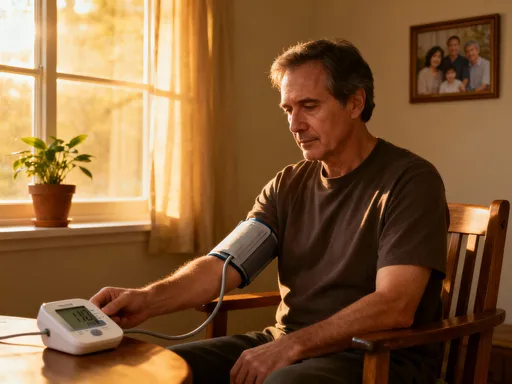
Managing high blood pressure is an ongoing process, not a one-time fix. One of the most helpful tools I adopted was home blood pressure monitoring. Having a reliable device allowed me to track patterns and see how lifestyle choices affected my numbers. It also reduced anxiety during doctor visits, as I had a clearer picture of my usual readings. The key is to use monitoring as a guide, not a source of stress. Taking readings at the same time each day, in a calm setting, provides the most accurate information. Recording results in a journal or app helps identify trends and discuss them meaningfully with a healthcare provider.
Regular check-ins with a doctor are an essential part of the journey. These visits should feel like a partnership, not a judgment. A trusted healthcare provider can help interpret results, adjust treatment if needed, and offer support and encouragement. It’s important to be honest about challenges—whether it’s difficulty sticking to a routine, side effects from medication, or emotional struggles. Open communication leads to better care. Medication, when prescribed, is not a sign of failure but a valuable tool. For many, a combination of lifestyle changes and medication provides the best outcome.
Mindset also plays a crucial role. Progress is rarely linear. There will be days when numbers rise, routines slip, or motivation wanes. These moments don’t erase progress—they’re part of the process. Practicing patience and self-compassion is essential. Celebrating small victories, like choosing a healthy meal or completing a walk, reinforces positive behavior. Over time, these moments accumulate into lasting change. Managing blood pressure is not about perfection; it’s about persistence.
In the end, this journey is about more than numbers on a screen. It’s a daily commitment to self-respect and well-being. It’s choosing to nourish your body, move with intention, rest deeply, and seek support when needed. High blood pressure doesn’t define you—it’s simply a signal to pay closer attention to your health. By responding with care, knowledge, and consistency, it’s possible to live well, feel strong, and enjoy life fully at any age. This isn’t about surviving—it’s about thriving.